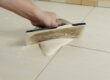
Expert Guide to Effective Grout Sealing
Houston homeowners know the struggle: you install beautiful tile, and within a couple of years the grout lines are dark, stained, or even cracking—especially in bathrooms and busy kitchens. Between our humidity, hard water, and heavy use of air conditioning, tile and grout in Houston take a beating. Industry studies show that unsealed or poorly sealed grout can absorb up to 7% of its weight in water, leading to staining, odor, and even hidden mold growth. Proper grout sealing doesn’t just make floors and showers look better; it protects your home and your investment.
This guide walks you through what grout sealing really does, the different types of sealers, how often you should reseal in Houston’s climate, and how professional services can transform tired, stained grout into a clean, uniform surface that’s easier to maintain. You’ll also learn how sealing ties into Deep Tile Cleaning, repair, and long-term bathroom and shower protection.
Key Insight: Effective grout sealing is less about “making it shiny” and more about building a durable moisture and stain barrier that fits your specific tile, room, and Houston’s challenging climate.
Why Grout Needs Sealing in Houston’s Climate
Grout is naturally porous—think of it like a dense sponge between your tiles. In a dry climate, that’s inconvenient. In Houston’s humid, subtropical environment, it can become a real problem.
Every shower, mop, and kitchen spill allows moisture, soaps, oils, and dirt to soak into unsealed grout. Over time, this leads to:
- Persistent discoloration and staining
- Musty odors, especially in bathrooms
- Efflorescence (chalky white deposits) on grout and tile edges
- Mold and mildew growth below the surface
“Humidity doesn’t just make grout look dirty; it accelerates the breakdown of the grout structure itself.” — Tile & Stone Maintenance Study, 2023
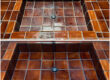
A Houston homeowner in Westchase recently called us about a master shower that “never looked clean” no matter how much they scrubbed. The grout had never been properly sealed. Moisture and soap scum had penetrated deep into the joints, and harsh scrubbing had started to erode the surface. After a thorough cleaning, targeted Grout Line Repair, and professional sealing, the shower not only looked new again, but the homeowner reported that weekly cleaning took half the time.
CALLOUT: In Houston, grout in showers and high-traffic floors often needs more frequent inspection and maintenance than in drier regions because of constant moisture and temperature swings.
Understanding Types of Grout Sealers: Penetrating vs. Color Sealing
Not all grout sealers work the same way. Choosing the right type is critical if you want long-lasting results, especially in moisture-heavy areas like showers and around tubs.
Penetrating Sealers
Penetrating sealers soak into the grout, creating a protective barrier below the surface while leaving the natural look mostly unchanged. They’re ideal for:
- Natural finishes
- Light to moderate use areas
- Clients who like the existing grout color
They’re also commonly used alongside services like Porcelain Tile Cleaning or Ceramic Tile Cleaning, where the goal is to refresh without dramatically changing the appearance.
Color Sealers
Color sealers, also known as Tile and Grout Color Sealing, sit on top of the grout and provide both a color coat and a protective layer. They can:
- Completely change or restore grout color
- Cover stubborn stains that cleaning alone cannot remove
- Create a uniform, “like-new” appearance
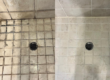
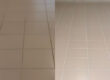
We recently worked on a Memorial-area kitchen with beige tile and dark, blotchy grout lines. The homeowner wanted a brighter, more modern look without a full Tile Replacement. After deep cleaning and color sealing the grout to a soft light gray, the entire kitchen looked updated—at a fraction of the cost of new tile.
Quick Comparison
| Feature | Penetrating Sealer | Color Sealer |
|---|---|---|
| Appearance Change | Minimal | Moderate to major (color change) |
| Best For | Subtle protection | Grout Color Restoration |
| Stain Resistance | Good | Excellent |
| Ideal Areas | Floors, light-use areas | Kitchens, baths, older grout with stains |
| Typical Longevity (Houston) | 2–5 years | 5–10 years (with proper care) |
CALLOUT: If your grout has permanent stains or color inconsistencies, color sealing is often the only way to achieve a truly uniform, “brand-new” look.
The Role of Cleaning and Repair Before Sealing
Sealer is not a magic eraser. If grout is dirty, damaged, or cracked, sealing alone will lock in those problems instead of solving them. Proper prep is what separates long-lasting results from quick fixes.
Why Cleaning Comes First
| Aspect | Traditional Methods | Modern Professional Approach |
|---|---|---|
| Products Used | Generic, one-size-fits-all sealers | Tile- and stone-specific formulations |
| Application | Wipe-on, uneven coverage | Controlled, even application with professional tools |
| Prep Work | Light cleaning only | Deep cleaning, repair, and sometimes regrouting |
| Common Issues | Peeling, yellowing, poor stain resistance | Longer life, improved appearance, better protection |
| Typical Maintenance | Frequent resealing, heavy scrubbing | Light cleaning, periodic inspection |
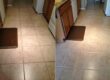
A business owner in Midtown with a small boutique had older ceramic floors that were dull and hard to keep clean. Previous contractors had applied a thick topical coating that turned cloudy and scratched easily. We stripped the coating, performed Tile Polishing where needed, cleaned the grout, and applied a high-quality penetrating sealer. The floors now look cleaner for longer, and daily maintenance is much easier for staff.
Modern sealing techniques are also better at addressing issues like:
- Grout Haze Removal after new tile installations
- Efflorescence Removal on grout and stone
- Targeted Waterproofing Services in critical wet zones
CALLOUT: If your grout or tile has a cloudy, plastic-looking coating, you may be dealing with an outdated topical sealer. Upgrading to modern products can dramatically improve appearance and performance.
What This Means for Businesses and Homeowners in Houston
Houston’s mix of humidity, hard water, and fast-paced lifestyles makes grout sealing more than just an aesthetic upgrade—it’s a protective strategy for your property.
For homeowners, proper grout sealing:
- Extends the life of tile installations in kitchens, baths, and living areas
- Reduces the frequency and intensity of scrubbing and harsh cleaners
- Helps prevent hidden moisture damage behind showers and floors
- Supports healthier indoor air quality by discouraging mold and mildew
For local businesses—restaurants, salons, offices, and retail spaces—professional sealing and Tile Cleaning support:
- Cleaner-looking floors that make a strong first impression
- Easier daily maintenance for staff
- Better slip resistance when combined with Anti-Slip Tile Treatment
- Lower long-term costs compared to frequent Tile Repair or replacement
Because Houston’s building boom has led to many fast-track installations, we often see showers and floors where grout was never properly sealed, or the wrong product was used. Addressing this now—rather than waiting for leaks, loose tiles, or severe staining—can save significant money and disruption.
Whether you’re in a downtown high-rise, a townhome in EaDo, or a family home in Cypress, grout sealing tailored to your tile type and usage can keep your surfaces looking sharp and performing well for years.
Frequently Asked Questions
Q: How often should grout be resealed in Houston’s climate?
A: Frequency depends on location, traffic, and the type of sealer used. In Houston, showers and tub surrounds typically need inspection every 1–2 years, while low-traffic floors might go 3–5 years. Color-sealed grout can last even longer with proper care. Signs it’s time to reseal include darkening grout that doesn’t lighten after cleaning, water that no longer beads on the surface, or recurring stains. Regular Bathroom Tile Cleaning and periodic professional evaluations help ensure your grout stays protected in our humid environment.
Q: Can I just clean my grout and seal it myself?
A: DIY sealing is possible, but results vary. The challenge is in the prep: grout must be thoroughly cleaned, dried, and repaired before sealer goes down. Homeowners often struggle with removing deep stains, Grout Haze Removal, or addressing small cracks and missing joints. Applying the wrong product for your tile type can also cause hazing or poor adhesion. Professional services combine deep cleaning, any needed Tile Regrouting or repair, and commercial-grade sealers for a longer-lasting, more uniform finish—especially in high-moisture areas like showers.
Q: Will sealing stop mold and mildew in my shower?
A: Sealing helps, but it’s not a cure-all. Quality grout sealing and Mold and Mildew Removal significantly reduce the porous surfaces where mold likes to grow. However, mold can also develop on soap scum, caulk, and in poorly ventilated areas. A comprehensive approach—proper ventilation, regular cleaning, and, when needed, Shower Restoration with fresh grout and caulk—provides the best defense. Sealing makes it harder for mold to penetrate and easier for you to keep surfaces clean.
Q: What’s the difference between sealing grout and sealing tile?
A: Grout and tile often have different porosity levels. Many ceramic and porcelain tiles are relatively non-porous and don’t need sealing, but the grout between them does. Natural stone tiles—such as travertine, marble, slate, and limestone—are more porous and benefit from both Stone Tile Sealing and grout sealing. A professional assessment identifies where Stone Cleaning and sealing are necessary versus where grout-only sealing is sufficient.
Q: Will grout sealing change the color or shine of my floors?
A: Penetrating sealers are designed to maintain the existing color and finish, so you shouldn’t see a noticeable change in appearance once they cure. Color sealers, on the other hand, are used specifically for Grout Color Restoration or color changes, providing a fresh, uniform look. If you’re concerned about aesthetics, ask for a small test area first. For natural stone, services like Marble Polishing or Floor Tile Restoration can adjust shine before sealing.
Q: My grout is cracked and some tiles are loose. Can sealing still help?
A: Sealing alone won’t fix structural issues. Cracked grout and loose tiles indicate movement or underlying problems that need to be addressed first. Professional Tile Repair, including Grout Line Replacement and Crack Repair, restores stability and prevents water from reaching the substrate. Once the surface is sound and clean, sealing locks in protection. In Houston, where moisture can quickly exploit any gaps, tackling repairs before sealing is critical.
Q: Is grout sealing worth it if I’m planning a full remodel later?
A: It depends on your timeline. If a remodel is more than a year away, sealing can still be a smart investment—especially in showers and heavily used areas. Proper sealing and, if necessary, Tub Surround Restoration or Shower Pan Cleaning can prevent leaks and damage that might otherwise spread to walls or subfloors, driving up future remodel costs. If your remodel is just a few months out, a targeted cleaning may be enough to tide you over.
Ready to Get Started?
Houston’s climate is tough on tile and grout, but you don’t have to live with stained joints, constant scrubbing, or worry about what’s happening behind your shower walls. Effective grout sealing—paired with professional cleaning, repair, and, where needed, color sealing—gives you longer-lasting beauty and protection for your home or business.
Because humidity and hard water work year-round here, waiting often means stains set deeper, cracks widen, and minor issues become costly repairs. This is especially true after the heavy use of summer showers or before the busy holiday season when you want your home looking its best.
The next step is simple: schedule an evaluation. A trained technician can assess your tile, grout, and stone, recommend the right combination of Bathroom Tile Cleaning, sealing, and any necessary Grout Line Repair, and provide a clear, written plan.
About Grout Works Houston
Grout Works Houston has been serving homeowners and businesses across the Houston area for years, specializing in grout cleaning, color sealing, repair, and full Bathroom Restoration. Our team focuses exclusively on tile, grout, and natural stone, using industry-standard methods and professional-grade products tailored to Houston’s unique climate. From small Bathroom Tile Cleaning projects to whole-home grout color transformations, we bring expertise, attention to detail, and long-lasting results.