Ultimate Tips for Successful Grout Sealing
Houston’s climate is tough on tile and grout. High humidity, sudden temperature swings, and hard water all work together to stain, crack, and weaken grout lines faster than most homeowners expect. If your shower, kitchen floor, or lobby tile never seems to stay clean for long—no matter how much you scrub—your grout likely isn’t properly sealed, or the sealer has worn off.
Industry studies show that unsealed grout can absorb up to 7% of its weight in water, leading to staining, mold growth, and premature failure. In a city like Houston, where humidity frequently hovers above 70%, that’s a serious problem for both homes and businesses.
This guide walks you through the ultimate tips for successful grout sealing—from choosing the right sealer to timing, prep, application, and long-term care. You’ll also see real-world examples from Houston properties and learn when it’s smarter (and cheaper in the long run) to call in a professional.
Key Insight: Proper grout sealing is not just a finishing touch—it’s a critical waterproofing and protection step that can easily double the lifespan of your grout and dramatically cut your cleaning time.
Understanding Grout and Why Sealing Matters in Houston
Grout may look like a simple filler between tiles, but it’s actually a porous cement-based material that acts like a sponge. In Houston homes and commercial spaces, that sponge is constantly exposed to moisture, dirt, body oils, cleaning chemicals, and hard water deposits.
Unsealed or poorly sealed grout can lead to:
- Persistent staining and discoloration
- Mold and mildew growth in showers and around tubs
- Crumbling joints that require costly Grout Line Repair
- Loose or hollow-sounding tiles from moisture getting underneath
A few years ago, a family in West University called us because their “new” bathroom looked 10 years old after just 18 months. The porcelain tile still looked decent, but the grout was blotchy, dark, and impossible to clean. The builder had used a basic sealer and applied it only once during construction. With two kids, daily showers, and no ventilation fan running consistently, the grout never stood a chance.
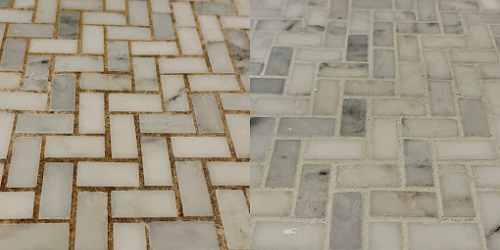
After a deep cleaning, targeted Bathroom Tile Cleaning, and a high-grade penetrating sealer, their grout not only looked renewed—it stayed that way. A year later, they reported that their weekly cleaning time in that bathroom had been cut in half.
“Unsealed grout is essentially unfinished cement sitting in a wet, dirty environment. Sealing is your first and best defense.” — Tile & Stone Industry Best Practices
CALLOUT: If your grout darkens when wet and then slowly dries back to a lighter color, it’s absorbing water and needs to be sealed or resealed.
Choosing the Right Sealer: Penetrating vs. Color Sealing
Not all grout sealers are created equal, and choosing the right one is one of the biggest factors in long-term success—especially in a climate like Houston’s.
Penetrating Sealers
Penetrating (or impregnating) sealers soak into the grout and create a protective barrier inside the pores. They’re typically:
- Ideal for natural look preservation
- Breathable, allowing moisture vapor to escape
- Great for kitchens, floors, and areas with normal wear
High-quality penetrating sealers are especially important when you’re also investing in Deep Tile Cleaning, because they lock in that freshly cleaned appearance and reduce future staining.
Color Sealers
Color sealers are a specialized form of sealer that not only protect but also recolor the grout. They’re excellent when:
- Grout is permanently stained but structurally sound
- You want to change grout color for a modern look
- You need maximum stain resistance in high-traffic areas
In a Midtown condo project, the developer had installed light beige grout that quickly turned gray from foot traffic. The tile was high-end, but the grout made the entire hallway look dirty. Instead of tearing out and replacing the grout, we performed Grout Color Restoration with a premium color sealer in a darker, more practical shade. The result looked like a brand-new installation and provided a durable, easy-to-clean surface.
“Color sealing can extend grout life by 10+ years when properly maintained, even in demanding environments.” — Restoration Industry Data
Quick Comparison
| Feature | Penetrating Sealer | Color Sealer |
|---|---|---|
| Appearance | Maintains original grout color | Changes or restores grout color |
| Stain Resistance | High (good) | Very high (excellent) |
| Best For | Natural stone, subtle protection | Heavily stained grout, design updates |
| Typical Use in Houston | Kitchens, entryways, stone floors | Showers, high-traffic floors, rentals |
| Maintenance Frequency | 3–5 years (varies by use) | 7–10 years with proper care |
Proper Surface Preparation: The Foundation of a Good Seal
Even the best sealer will fail if applied over dirty, damaged, or damp grout. Preparation is where most DIY grout sealing projects go wrong—and where professional services deliver the biggest value.
Deep Cleaning Comes First
Before any sealer touches your grout, the surface must be:
- Free of soap scum, oils, and residues
- Cleared of old topical coatings or waxes
- Rinsed and dried thoroughly
This is especially important in showers, where Shower Tile Cleaning and mold removal are often needed before sealing. We frequently see homeowners who applied sealer over mild mildew, effectively trapping it underneath. Within months, the mildew grows back through and the grout looks worse than before.
In a Memorial-area home, a client had tried to seal her own shower using a big-box store product. The grout was still harboring embedded body oils and mineral deposits. The sealer bonded poorly and started flaking within six months. After professionally cleaning, performing Efflorescence Removal on the worst areas, and using a professional-grade sealer, the shower finally stayed clean and bright.
Inspect and Repair Before Sealing
You should never seal over:
- Cracked, missing, or powdery grout
- Loose or hollow tiles
- Failing caulk joints or gaps
These conditions signal underlying problems that need attention first. Services like Crack Repair and tile re-setting ensure the surface is stable and ready to accept sealer.
“Sealing is not a band-aid for structural problems. It’s the final step after repairs and cleaning are done right.” — Restoration Specialist Insight
CALLOUT: If water is disappearing quickly into your grout or you see dark, damp spots that don’t dry, address repairs and moisture issues before thinking about sealer.
Application Techniques: Getting a Durable, Even Seal
Once the grout is clean, dry, and repaired, the way you apply the sealer will determine how long it lasts and how good it looks. Rushed or uneven application leads to patchy protection and premature failure.
Timing and Conditions Matter
Houston’s humidity can slow drying times and affect how sealers cure. For best results:
- Ensure the area is well-ventilated
- Avoid sealing on extremely humid or rainy days if possible
- Allow extra drying time between coats in bathrooms and showers
For a high-traffic restaurant in the Galleria area, we scheduled sealing overnight when the AC could run uninterrupted. That allowed the penetrating sealer to cure properly on their heavily used kitchen and dining floors, significantly improving performance compared to a rushed daytime job.
Application Methods
Common methods include:
- Brush or applicator bottle: Precise, good for narrow joints
- Foam or microfiber pad: Efficient for large floors
- Small roller: Helpful on wider grout lines
For most residential floors, we apply a professional-grade Color Seal Application with specialized tools that ensure consistent coverage and penetration.
Key steps:
- Apply evenly, ensuring grout lines are fully saturated
- Allow proper dwell time (per manufacturer specs)
- Wipe excess from tile surfaces to avoid haze
- Apply a second coat if recommended for heavy-use areas
Traditional DIY vs. Professional Approach
| Aspect | Typical DIY Sealing | Professional Sealing (Grout Works Houston) |
|---|---|---|
| Cleaning | Household cleaners, limited tools | Commercial-grade cleaners, specialized tools |
| Repairs | Often skipped or minimal | Full assessment and Grout Line Replacement as needed |
| Sealer Quality | Retail-grade, shorter lifespan | Professional-grade, longer-lasting |
| Application Consistency | Variable, risk of missed spots | Systematic, even coverage |
| Long-Term Performance | 1–2 years typical | 3–10 years depending on system |
Special Considerations for Showers, Bathrooms, and Wet Areas
Showers and bathrooms in Houston are a special challenge. Constant moisture, soap, shampoos, and hard water all attack grout and tile. If you want your shower to stay clean and healthy, grout sealing must be part of a larger restoration strategy.
Showers: More Than Just Grout
In many Houston homes, we find:
- Mold and mildew in corners and caulk joints
- Cracked or missing grout on shower floors
- Hard water deposits on glass and fixtures
A full Bathroom Restoration or shower restoration often includes:
- Mold and Mildew Removal
- Hard Water Stain Removal from tile and shower glass
- Shower Regrouting where grout is failing
- Fresh Silicone Replacement in corners and along the tub
Only after these steps is it appropriate to proceed with Shower Tile Sealing.
In a Clear Lake home, a family was battling recurring mold in their master shower. They had bleached the walls repeatedly and even tried DIY recaulking. The underlying issue was unsealed, porous grout and failing silicone. We performed full shower regrouting, new silicone, deep cleaning, and color sealing. Their mold issues dropped dramatically, and routine cleaning became a quick weekly wipe-down.
“Showers are the harshest environment for grout. A comprehensive approach—not just sealing—delivers lasting results.” — Restoration Field Experience
CALLOUT: If your grout is crumbling or missing in a shower, sealing alone won’t fix it. You need repair or regrouting before any sealer is applied.
Natural Stone, Kitchens, and High-Traffic Floors: Extra Care Required
Grout sealing doesn’t exist in a vacuum. The surrounding material—whether it’s ceramic, porcelain, or natural stone—affects the products and techniques used.
Natural Stone and Stone Tile
Houston homes often feature travertine, marble, slate, or limestone in kitchens, entries, and bathrooms. These surfaces are porous and require both stone and grout protection.
Services like:
- Travertine Cleaning and Marble Polishing
- Slate Cleaning and Limestone Cleaning
- Natural Stone Restoration
are often combined with Stone Tile Sealing and professional Penetrating Sealer Application for the grout.
In a River Oaks home with a travertine kitchen floor, cooking oils and spills had deeply penetrated both the stone and grout. We restored the surface with specialized Stone Cleaning, then sealed both the stone and grout to protect against future staining. The homeowner reported that spills that once left permanent marks now wipe up easily.
Kitchens, Entries, and Commercial Spaces
High-traffic areas demand:
- Durable sealers with strong stain resistance
- Optional Anti-Slip Tile Treatment in wet zones
- Periodic maintenance to keep grout and tile looking their best
For a busy Heights coffee shop, we combined Floor Tile Restoration with a high-performance color sealer on grout. This not only improved the appearance but also made nightly cleaning faster and more effective, saving staff time and reducing chemical use.
Long-Term Maintenance: Keeping Sealed Grout Looking New
A successful grout sealing job is only as good as the care that follows. The good news: properly sealed grout is much easier to maintain, especially in Houston’s demanding environment.
Cleaning Sealed Grout
For routine cleaning:
- Use pH-neutral cleaners designed for Porcelain Tile Cleaning or Ceramic Tile Cleaning
- Avoid harsh acids or high-alkaline products that can degrade sealers
- Skip abrasive powders and stiff brushes that can wear down the surface
For kitchens, an occasional professional Kitchen Backsplash Cleaning or floor cleaning can refresh the entire space without needing to reseal every time.
When to Reseal
Signs it may be time to reseal include:
- Grout darkens quickly when wet
- Stains become harder to remove
- Water no longer beads on the surface (for some sealers)
In Houston, resealing timelines vary depending on traffic and exposure:
- Light-use residential floors: every 4–6 years
- Busy kitchens and entries: every 2–4 years
- Showers and wet areas: every 3–5 years, depending on products used
In a midtown townhome, a client with sealed grout in the kitchen and entry noticed dirt “sticking” more after several years. We assessed and recommended a maintenance cleaning rather than a full re-seal immediately. By monitoring how the grout responded over time, we timed resealing to maximize value.
“Think of grout sealing like waxing a car: the better the product and prep, the longer it lasts—but it’s not permanent.” — Maintenance Best Practices
CALLOUT: Regular, gentle cleaning extends the life of your sealer and keeps you from needing major restoration work down the road.
What This Means for Businesses in Houston, TX
For Houston businesses—restaurants, medical offices, retail spaces, apartment communities—grout sealing isn’t just about appearance. It directly affects hygiene, safety, and the perception of your brand.
A clean, well-maintained tile floor or restroom tells customers you care about details. Conversely, stained grout, moldy corners, or etched stone can make even a recently remodeled space feel neglected.
In commercial settings:
- Properly sealed grout reduces the risk of moisture getting under tiles, which can lead to costly Loose Tile Repair or full Tile Replacement.
- Sealing, combined with targeted Tile Cleaning, shortens nightly janitorial routines and reduces chemical usage.
- In restrooms and showers (gyms, multifamily, hotels), grout sealing works hand-in-hand with Waterproofing Services to control moisture and odors.
Houston’s competitive business climate means customers have options. A spotless restroom, lobby, or showroom can be a subtle yet powerful differentiator. And from a pure cost perspective, extending the life of your tile and grout by several years often beats the disruption and expense of full renovation.
For property managers, scheduled maintenance—periodic cleaning, inspection, and resealing—can be built into annual budgets. That approach turns unpredictable “surprise” repairs into manageable, planned line items.
Frequently Asked Questions
Q: How do I know if my grout actually needs sealing or resealing?
A: A simple water test works well. Drip a few drops of water onto the grout in several spots. If the water beads up and stays on the surface for a few minutes, your sealer is likely still working. If it darkens the grout quickly and soaks in, your grout is absorbing moisture and should be sealed or resealed. In high-moisture areas like showers or around tubs, this test is especially important. Houston’s humidity and frequent use of air conditioning can mask moisture issues, so a professional evaluation—often combined with Shower Tile Cleaning—is a smart step if you’re unsure.
Q: Is sealing enough if my shower grout is already cracked or missing?
A: No. Sealing is a protective measure, not a structural fix. If you see cracks, holes, or missing grout, you need Tile Regrouting or targeted grout repair first. In Houston showers, cracked grout can allow water to penetrate behind the tile, leading to loose tiles, mold growth, and even damage to the wall structure. After repairs, we typically recommend color sealing in showers for maximum stain resistance and easier cleaning. That combination—repair plus sealing—gives you the longest-lasting, most hygienic result.
Q: Will grout sealing change the color or sheen of my grout or tile?
A: Penetrating sealers are designed to protect without noticeably changing the look of your grout or tile. On most ceramic or porcelain surfaces, they’re virtually invisible when properly applied and buffed. However, some natural stones may darken slightly or gain a “wet look” depending on the product used. That’s why we always test in an inconspicuous area first, particularly with Natural Stone Sealing. Color sealers, on the other hand, are specifically meant to change or restore grout color while leaving the tile itself unchanged after excess is removed.
Q: How long do I need to stay off my floors after grout sealing?
A: Most penetrating grout sealers are dry to the touch within a few hours but continue to cure for 24–72 hours. We typically recommend light foot traffic after a few hours, avoiding heavy use or wet mopping for at least 24 hours. For commercial spaces in Houston—with busy schedules and staff—we often schedule work during off-hours or overnight and coordinate with management to minimize downtime. For showers, it’s best to avoid use for at least 24 hours after sealing to allow the product to fully set.
Q: Can I seal grout myself, or should I hire a professional?
A: You can seal grout yourself, and many homeowners do. The challenge is that success depends heavily on surface preparation, product choice, and thorough, even application. In Houston, where moisture, hard water, and heavy use are common, mistakes in prep—like skipping mold removal or failing to address loose tiles—can lead to recurring problems. Professionals bring commercial-grade products, proper tools, and the ability to combine sealing with Grout Haze Removal, repair, and even Tile and Grout Color Sealing. For high-visibility areas or showers, professional service is usually more cost-effective in the long run.
Q: How does grout sealing work with natural stone and polished surfaces?
A: With natural stone like marble, travertine, or limestone, both the stone and grout are often sealed. After services such as Marble Polishing or Floor Tile Restoration, a penetrating sealer is applied to protect against staining and etching. It’s critical to use products specifically designed for stone to avoid dulling polished surfaces. In Houston kitchens and baths, where oils and acidic spills are common, sealing stone and grout together provides a more complete defense and makes daily cleanup much easier.
Q: What about caulk lines—do they get sealed too?
A: Caulk and silicone joints are not sealed in the same way as grout. Instead, they’re replaced when they begin to fail. In wet areas like showers and tub surrounds, we often perform Recaulking or Silicone Replacement as part of a larger Tub Surround Restoration or shower project. Fresh, properly installed silicone provides a flexible, waterproof barrier in corners and transitions where grout would crack. Once the silicone is cured, the surrounding grout can be sealed or color sealed to complete the system.
Ready to Get Started?
Grout sealing is one of those maintenance steps that’s easy to postpone—until stained grout, moldy corners, or loose tiles force your hand. In Houston’s demanding climate, waiting too long can mean the difference between a straightforward restoration and a full tear-out.
If your tile floors, showers, or backsplashes are looking tired, stained, or just hard to keep clean, this is the ideal time to act. A professional evaluation can determine whether you need deep cleaning, minor Grout Line Replacement, or a complete Shower Restoration before sealing. From there, a high-quality penetrating or color sealer will lock in the results and make your daily cleaning routine much easier.
Grout Works Houston has years of experience working with tile, grout, and stone across the Houston area—from residential bathrooms to busy commercial spaces. If you’re ready to protect your investment and enjoy cleaner, healthier surfaces, reach out today to schedule an on-site consultation.
About Grout Works Houston
Grout Works Houston specializes in grout cleaning, repair, color sealing, and tile and stone restoration throughout the greater Houston, TX area. Our team combines industry best practices with local expertise, restoring everything from residential showers to large commercial floors. Whether you need routine maintenance or a full Bathroom Restoration, we focus on long-lasting solutions that protect your surfaces and simplify your cleaning routine. Learn more about our services and see examples of our work at Grout Works Houston.