Understanding the Importance of Grout Sealing
If you’ve ever scrubbed your tile floors or shower in your Houston home, only to watch the grout lines stay dark, dingy, or stained, you’re not alone. Between our humidity, hard water, and everyday wear, unsealed grout in Houston can start to look tired in as little as 6–12 months. Industry studies show that properly sealed grout can last up to 3–5 times longer before needing major restoration, while unsealed grout can absorb up to 10 times more moisture and contaminants.
For homeowners and property managers across the Houston area, grout sealing isn’t just about looks—it’s about protecting your investment, preventing water damage, and keeping bathrooms, kitchens, and floors easier to maintain.
In this guide, you’ll learn why grout sealing matters, how it actually works, what happens when it’s neglected, and which options make the most sense for Houston homes. You’ll also see real-world examples, cost comparisons, and practical tips so you can make informed decisions about your tile and grout care.
Key Insight: Sealing grout is one of the most cost‑effective ways to extend the life of your tile, reduce cleaning time, and protect your home from moisture, stains, and damage.
Why Grout Needs Protection: What Most Homeowners Don’t Realize
Grout might look solid, but it’s actually a very porous material—more like a sponge than a rock. Those tiny pores soak up liquids, oils, soap scum, and even bacteria. In a climate like Houston’s, where humidity is high and air conditioning runs constantly, that moisture can linger in grout lines and create long‑term problems.
Think about your shower. Every day, water, shampoo, body oils, and soap residue hit the tile. Without protection, grout absorbs all of that. Over time you start to see:
- Persistent discoloration and staining
- Mold and mildew growth in corners and joints
- Crumbling or cracking grout lines
- Musty smells, especially in older bathrooms
One Houston homeowner in West U called us after noticing dark spots in the shower corners and along the floor. The tile looked fine, but the grout was almost black in some areas. The problem wasn’t just cosmetic. Water had been slowly seeping through unsealed grout and failed caulk, leading to early signs of subfloor damage.
“Grout is often the weakest link in a tiled surface, and it’s usually the first place water finds a way in.” — Tile & Stone Restoration Specialist
Proper grout sealing dramatically reduces absorption. Spills stay on the surface longer, giving you time to wipe them away. Moisture doesn’t penetrate as deeply, making it easier to control mold and mildew and reducing the need for aggressive Deep Tile Cleaning down the road.
CALLOUT: If your grout darkens when it gets wet and doesn’t return to its original color after drying, it’s likely unsealed or the sealer has worn off.
How Grout Sealing Works: Penetrating vs. Color Sealing
Not all sealers are created equal. Understanding the difference helps you choose the right protection for your space and budget.
Penetrating Sealers
Penetrating sealers soak into the grout and line the pores below the surface. They’re usually invisible and keep the natural look of your grout. These products are ideal when:
- You like your current grout color
- You have natural stone floors paired with grout
- You want breathable protection that allows moisture vapor to escape
Professionals typically use high‑quality penetrating sealers that resist water, oils, and stains while maintaining the original appearance. A thorough Porcelain Tile Cleaning or Ceramic Tile Cleaning is done first, so you’re not sealing in dirt or discoloration.
Color Sealers
Color sealers sit on top of the grout, creating a uniform, stain‑resistant coating. They can match your existing grout or completely change the color for a refreshed look. This is often part of a full Grout Color Restoration project.
Color sealing is especially popular in:
- Heavily stained kitchen floors
- Rental properties that see a lot of traffic
- Older homes where grout color is inconsistent
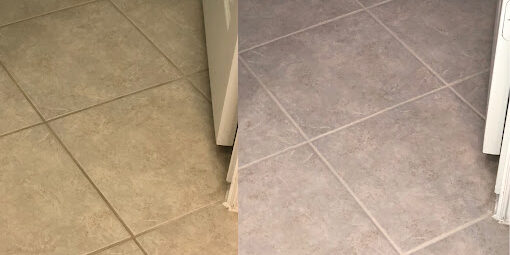
One family in Katy had light beige grout throughout their downstairs tile. Years of spills, kids, and pets left some areas darker than others. Instead of replacing all the grout, we performed a deep Floor Tile Restoration clean and applied a darker, more forgiving color sealer. The floors looked brand new, and the homeowners reported that regular mopping became much easier.
CALLOUT: Penetrating sealer protects what you already have; color sealer protects and transforms at the same time.
The Hidden Costs of Skipping Grout Sealing in Houston Homes
Skipping grout sealing might seem like an easy way to save money, but in our local environment it often leads to higher costs over time. Houston’s mix of heat, humidity, and sudden storms makes moisture control especially critical in bathrooms, kitchens, and entryways.
Here’s what can happen when grout is left unsealed or when old sealer has completely worn away:
- Staining that won’t clean off
Even professional Bathroom Tile Cleaning can only do so much if stains have penetrated deeply into unsealed grout. At that point, replacement or color sealing may be the only options.
- Mold and mildew growth
Damp grout lines become a breeding ground for mold, especially in showers. That black or pinkish film in corners and along grout joints is more than just a cleaning nuisance—it can affect indoor air quality.
- Cracked or missing grout
Repeated wet/dry cycles and trapped moisture can cause grout to weaken and crumble. This often leads to Grout Line Repair or full Grout Line Replacement to restore the integrity of the tiled surface.
- Loose tiles and water damage
Once grout fails, water can reach the thinset and substrate, causing tiles to loosen or hollow‑sounding spots to form. At that stage, you’re looking at Loose Tile Repair or even partial Tile Replacement.
We recently worked on a shower in the Heights where an unsealed, heavily used stall had visible cracks in the corners and along the floor. Underneath the tile, the backer board was soft and damaged. What could have been a straightforward sealing job a few years earlier turned into a more extensive Bathroom Restoration involving Crack Repair and waterproofing.
“Preventive maintenance like sealing usually costs a fraction of what major repairs or replacements do—and it’s far less disruptive.” — Restoration Technician
CALLOUT: If you’re noticing musty odors, recurring grout discoloration, or tiles that feel slightly loose, it’s time to have a professional evaluate your grout and waterproofing.
Grout Sealing vs. Replacement: Cost, Time, and Disruption
Many Houston homeowners think tile replacement is their only option once grout looks bad. In reality, professional cleaning, restoration, and sealing can often deliver “like‑new” results at a much lower cost and with far less disruption.
Here’s a simple comparison to put things in perspective for a typical 100–150 sq. ft. tiled area (like a bathroom floor or small kitchen):
| Option | Approx. Local Cost Range (Houston) | Time & Disruption | When It Makes Sense |
|---|---|---|---|
| Professional Cleaning + Sealing | $ | 1 day, minimal disruption | Grout is intact but stained or unprotected |
| Color Sealing + Minor Repairs | $$ | 1–2 days, light disruption | Grout discolored, uneven color, still structurally sound |
| Partial Regrouting | $$–$$$ | 1–3 days, moderate disruption | Loose or missing grout in limited areas |
| Full Tile & Grout Replacement | $$$$+ | Several days to weeks, heavy disruption | Widespread damage, failing substrate, major remodel desired |
(Actual pricing varies by material, layout, and condition, but the relative differences are consistent.)
In many cases, a combination of Tile Regrouting, targeted Grout Line Replacement, and fresh sealing can extend the life of an existing installation by 5–10 years or more.
For example, a Midtown condo owner with a dated but well‑installed shower wanted to avoid a full remodel. We performed Shower Regrouting, replaced failing Silicone Replacement at all joints, completed thorough Shower Tile Cleaning, and then sealed the grout. The end result looked modern, clean, and watertight—at a fraction of the cost of new tile.
CALLOUT: Before you budget for a full tear‑out, have a grout and tile specialist evaluate whether restoration and sealing can achieve your goals.
Special Considerations for Showers and Wet Areas in Houston
Showers, tub surrounds, and bathroom floors are ground zero for grout issues in our area. Between daily use, hard water, and poor ventilation in many older homes, these spaces require more than just basic cleaning.
Why Showers Fail Early
Common issues we see in Houston showers include:
- Cracked or missing grout in corners and floor transitions
- Failing or moldy caulk lines that should have been flexible sealant
- Water pooling on shower floors instead of draining properly
- Persistent mold in grout lines despite regular scrubbing
A comprehensive Shower Restoration often includes:
- Deep Shower Pan Cleaning and grout decontamination
- Removal of old, failed caulk and Recaulking with high‑grade silicone
- Grout Line Repair or regrouting where necessary
- Application of a durable sealer to protect grout from ongoing moisture
We recently helped a family in Sugar Land whose master shower glass was etched with hard water spots and whose grout showed heavy mildew. After professional Hard Water Stain Removal, Shower Glass Restoration, and grout sealing, the shower felt brighter, cleaner, and easier to maintain.
“A properly sealed and maintained shower should shed water, not absorb it—think raincoat, not sponge.” — Shower Restoration Expert
CALLOUT: If you notice water beading on your tile but soaking into your grout, your tile may be fine, but your grout is asking for help.
Natural Stone, Kitchen Floors, and High‑Traffic Areas
Grout sealing isn’t just for showers. Kitchen floors, entryways, and natural stone surfaces across Houston benefit greatly from proper sealing and maintenance.
Natural Stone and Grout
Materials like travertine, marble, slate, and limestone are beautiful but porous. They often pair with light‑colored grout, which makes staining and wear more visible. In these cases, professionals usually perform both Natural Stone Restoration and grout sealing together.
Services might include:
- Travertine Cleaning and filling holes or voids
- Marble Polishing to restore shine and remove etches
- Slate Cleaning or Limestone Cleaning for textured surfaces
- Coordinated Stone Tile Sealing and grout sealing for unified protection
One Memorial-area homeowner with a travertine kitchen floor was frustrated by dark grout lines around the island and stove. We performed a full Stone Cleaning, honed and polished the travertine where needed, and applied both a Natural Stone Sealing treatment and grout color sealer. The floor looked cohesive again and became much more resistant to spills and foot traffic.
High‑Traffic Tile Floors
Entryways, hallways, and main living areas see constant use. Pet traffic, kids, shoes, and Houston’s occasional muddy rain days all take a toll. Regular Tile Cleaning and periodic sealing keep these areas from turning into permanent “gray lanes” in your grout.
CALLOUT: If your grout near doors and main walkways looks darker than in low‑traffic areas, that’s a sign your sealer may be wearing off and it’s time for a refresh.
Modern Grout Sealing and Safety Enhancements
Advances in sealing technology mean you have more options than ever—not just for protection, but also for appearance and safety.
Traditional vs. Modern Approaches
| Aspect | Older/Traditional Approach | Modern Professional Approach in Houston |
|---|---|---|
| Sealer Type | Basic topical sealers | High‑performance penetrating and color sealers |
| Application | Single quick coat | Multi‑step prep, cleaning, and precise application |
| Durability | 6–12 months in wet areas | 2–5+ years with proper care |
| Appearance | Potential for haze or streaking | Natural look or uniform color finish |
| Extras | None | Optional Anti-Slip Tile Treatment and color correction |
Professionals today often bundle grout sealing with other services to deliver a complete solution. That might include:
- Grout Haze Removal after new tile installations
- Color Seal Application to unify grout tone
- Penetrating Sealer Application for long‑term protection
- Safety‑focused Anti-Slip Tile Treatment in showers and on smooth floors
One commercial client in downtown Houston with a busy lobby wanted to reduce slip risks on polished tile while also cutting down on visible dirt in grout lines. After a thorough Tile Polishing and deep clean, we applied an anti‑slip treatment and sealed all grout. The result was a safer, more attractive entry that stood up better to daily traffic.
“Modern sealers are designed to work with your surface, not against it—enhancing performance without changing the look unless you want them to.” — Surface Care Specialist
What This Means for Businesses in Houston, TX
Whether you manage a restaurant in Midtown, a medical office in the Galleria area, or a boutique in The Heights, your tile and grout are part of your first impression. Dirty, stained, or failing grout can make even a well‑designed space feel neglected.
In Houston’s competitive market, business owners are increasingly turning to professional Kitchen Backsplash Cleaning, lobby floor care, and restroom restoration to:
- Protect their investment in tile and stone
- Reduce slip‑and‑fall risks in wet or high‑traffic areas
- Maintain health and safety standards, especially in restrooms and food prep areas
- Lower long‑term maintenance costs by preventing premature replacement
For example, a local spa in River Oaks scheduled annual grout sealing and Bathroom Tile Restoration for their locker rooms and showers. By combining regular cleaning, targeted Waterproofing Services, and grout sealing, they’ve avoided major shutdowns for repairs, kept mold and mildew under control, and preserved a high‑end appearance their clients expect.
For businesses, the math is straightforward: a modest, scheduled investment in grout sealing and maintenance can prevent expensive downtime, emergency repairs, and reputational damage from dirty or unsafe facilities.
Frequently Asked Questions
Q: How often should grout be sealed in Houston’s climate?
A: In Houston, most interior grout in moderate‑use areas should be resealed every 2–3 years, while heavy‑use or constantly wet areas like showers may benefit from sealing every 12–24 months. The type of sealer, the quality of the original application, and how often you clean with harsh chemicals all affect lifespan. A simple test is to place a few drops of water on the grout; if it darkens quickly and absorbs, your sealer has likely worn off. During a professional Bathroom Tile Cleaning or Shower Tile Cleaning, a technician can also evaluate whether your grout still has adequate protection.
Q: Can sealing fix stained or discolored grout, or do I need new grout?
A: Sealing by itself won’t remove existing stains; it locks in whatever condition the grout is currently in. That’s why professional cleaning always comes first. If stains are only on the surface, deep Tile and Grout Color Sealing and cleaning can restore much of the original color. If discoloration runs deep or the grout is uneven in tone, a Color Seal Application can create a uniform, fresh look without full replacement. When grout is cracked, missing, or severely damaged, targeted Tile Regrouting or replacement in those sections may be recommended before sealing.
Q: Is grout sealing worth it if I’m planning to remodel in a few years?
A: Yes, in most cases it still makes sense. Even if you plan to remodel in 3–5 years, unsealed grout in showers or around tubs can allow water to reach the substrate, causing damage that complicates and increases the cost of your future renovation. A modest investment in sealing, especially paired with Caulking Services and minor Crack Repair, can protect your structure and keep your home healthier and easier to clean in the meantime. It also helps maintain property value, which is important if you decide to sell before you remodel.
Q: I clean my tile regularly. Why does my grout still look dirty?
A: Regular mopping and scrubbing help, but they can’t compensate for unsealed or worn‑out grout. Dirt, oils, and spills get pulled into the pores of unprotected grout, so even after a good cleaning the lines can remain dark. Some household cleaners also leave residues that attract more soil. Professional Bathroom Tile Cleaning or Floor Tile Restoration uses specialized tools and solutions to flush contaminants out of the grout, followed by sealing to slow future staining. Once sealed, your regular cleaning becomes much more effective and less time‑consuming.
Q: Do natural stone floors need grout sealing too, or just stone sealing?
A: Both usually need attention. Natural stone like marble, travertine, or slate is often sealed to protect against etching and stains, but the grout lines between those tiles are just as vulnerable—sometimes more so. During Natural Stone Sealing or Marble Polishing projects, a professional will typically seal the grout as well, using either a compatible penetrating sealer or a color sealer if you want to change or refresh the grout color. This combined approach keeps the entire surface—stone and grout—looking uniform and protected.
Q: Will grout sealing make my floors slippery?
A: Quality grout sealers themselves do not make floors noticeably more slippery because they’re applied primarily to the grout lines, not as a thick coating over the tile. In fact, on some smooth tiles, professionals can apply a dedicated Anti-Slip Tile Treatment while still sealing the grout for stain resistance. If slip resistance is a concern—especially in showers, entryways, or commercial spaces—discuss it with your technician. They can recommend a combination of sealing and safety treatments tailored to your specific surface and use.
Q: Can I seal grout myself with products from the home store?
A: DIY sealers can offer some protection, but results vary widely. Common issues include uneven application, missed areas, using the wrong type of sealer for your surface, or sealing over dirt and residue. This can leave some spots unprotected and others hazy or sticky. Professional services combine thorough Deep Tile Cleaning, proper surface prep, and high‑grade sealers not typically sold at retail. For key areas like showers, tub surrounds, and high‑traffic floors, most Houston homeowners find that professional sealing delivers longer‑lasting, more reliable protection and saves time and frustration.
Ready to Get Started?
Houston’s climate is tough on grout. Between humidity, hard water, and daily wear, even the best tile installations need smart maintenance to stay beautiful and watertight. Grout sealing is one of the simplest, most cost‑effective steps you can take to protect your home or business from stains, mold, and hidden water damage.
If your grout darkens when wet, looks dingy no matter how much you scrub, or if you’re starting to see cracks or loose tiles, now is the time to act—before minor issues turn into major repairs. A professional evaluation can determine whether you need cleaning and sealing, targeted Grout Line Repair, or a more comprehensive Tub Surround Restoration or shower overhaul.
Grout Works Houston has been helping homeowners and businesses across the Houston area restore and protect their tile, stone, and grout with proven methods and high‑performance sealers. Schedule a consultation, ask your questions, and see what’s possible for your tile surfaces.
About Grout Works Houston
Grout Works Houston is a locally focused tile, grout, and stone restoration company serving homeowners and businesses throughout the greater Houston, TX area. With years of hands‑on experience, specialized training, and a commitment to industry best practices, the team delivers expert cleaning, repair, color sealing, and restoration services tailored to Houston’s unique climate and building styles. From small residential bathrooms to large commercial floors, Grout Works Houston helps clients protect their investment and enjoy cleaner, healthier, longer‑lasting tile surfaces. Learn more at groutworkshouston.com.