Common Grout Repair Mistakes and How to Avoid
Houston’s climate is tough on tile and grout. Between our humidity, frequent temperature swings, and hard water, even well-installed grout can start cracking, discoloring, or crumbling long before you expect it. Many homeowners and property managers try to fix these issues themselves—and often end up with smeared grout, mismatched colors, or worse, hidden water damage behind the walls.
Industry surveys show that moisture-related failures account for over 70% of shower and bathroom tile problems, and a large portion of those are linked to improper grout or caulk work. In Houston, where air conditioning and humidity constantly battle each other, that risk is even higher.
This guide walks you through the most common grout repair mistakes we see in homes and businesses across Houston—and how to avoid them. You’ll learn what to watch for, how to protect your tile investment, and when it’s smarter (and cheaper) to bring in a professional.
Key Insight: Most grout failures aren’t caused by “bad grout,” but by small mistakes in prep, product choice, and application that snowball into expensive damage—especially in a climate like Houston’s.
Mistake #1: Skipping Proper Cleaning and Prep Before Repair
The most common error we see is trying to repair grout over dirty, contaminated, or failing surfaces. If you simply smear new grout or caulk over soap scum, mold, or loose material, it will not bond correctly—and the repair will fail quickly.
In many Houston bathrooms, we find layers of old caulk, mildew, and hard water buildup around tubs and showers. Homeowners often try to patch these areas without a deep clean first. Within a few months, the “new” grout or caulk is peeling, cracking, or discoloring again.
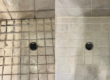
A thorough, professional-grade Deep Tile Cleaning does more than make surfaces look better. It removes:
- Soap scum and body oils
- Mold and mildew colonies in the pores of the grout
- Efflorescence (white, chalky mineral deposits)
- Old sealers or residues that block adhesion
“Grout is like a sponge—if it’s full of contaminants, no new product will bond or perform the way it should.” — Houston Tile Restoration Specialist
Once the surface is properly cleaned and dried, failing grout must be removed to a sufficient depth. Simply scratching the surface or chipping off the top layer isn’t enough. The new grout needs a solid, clean channel to lock into.
For busy Houston homeowners, this is where DIY often goes wrong: rushing prep to save time. In reality, prep is where most of the work (and success) happens.
CALLOUT: If you’re planning any grout repair, budget at least half your time for cleaning, scraping, and drying before you even open the grout bag.
Mistake #2: Using the Wrong Product for the Job
Not all grout and caulk are created equal, and using the wrong product is a fast track to failure—especially in Houston’s wet areas like showers and tub surrounds.
We frequently see:
- Sanded grout used on narrow joints or polished stone, causing scratching
- Unsanded grout used in wide joints, leading to cracking
- Non-silicone caulk in constantly wet areas, which shrinks and pulls away
- Standard grout in movement joints that should be flexible caulk
A classic example: A family in Katy regrouted their master shower using a basic, big-box powder grout. It looked fine for a few months, but the Houston humidity and daily use took a toll. Hairline cracks appeared along the corners and around the shower pan. Water began to seep behind the tile, causing loose tiles and musty odors. By the time they called us, they needed full Bathroom Restoration, not just a simple repair.
Here’s a quick comparison of common approaches:
| Area/Need | Wrong Choice (Common DIY) | Better Choice (Professional Standard) | Why It Matters in Houston |
|---|---|---|---|
| Shower corners & edges | Grout only | Flexible silicone or specialty caulk | Handles movement, prevents cracking and leaks |
| Wide floor joints (>1/8″) | Unsanded grout | Sanded or high-performance grout | Reduces shrinkage and cracking |
| Natural stone (marble, travertine) | Coarse sanded grout | Fine grout + proper Stone Tile Sealing | Avoids scratching, protects porous stone |
| Around tubs & sinks | Painter’s caulk or acrylic only | High-quality, mold-resistant silicone | Resists constant moisture and cleaning chemicals |
| Heavily used showers | Basic cement grout, no sealer | High-performance grout + penetrating or color seal | Stands up to daily use, humidity, and hard water |
Matching the product to the surface, joint width, and moisture level is critical. Professional Grout Line Repair services consider all of these factors before choosing a material.
“Using the wrong grout or caulk won’t just look bad—it can void warranties on your tile or stone.” — Certified Tile Installer
Mistake #3: Ignoring Movement Joints and Caulking
Another major mistake is treating every line between tiles as if it should be grouted. In reality, certain joints are designed to move and must be caulked, not grouted. Ignoring this is a recipe for cracked grout and leaks.
Key “movement” areas include:
- Corners where walls meet
- Joints where walls meet floors
- Around tubs, shower pans, and countertops
- Transitions between different materials (tile to tub, tile to wood, etc.)
We often find showers in Houston where the corners have been grouted solid. Over time, normal building movement and temperature shifts cause those corners to crack. Homeowners try patching with more grout, but the problem keeps returning because the joint needs flexibility—not rigidity.
Professional Silicone Replacement and Caulking Services focus on these critical joints. A high-quality, mold-resistant silicone is applied where movement is expected, while grout is reserved for stable, non-moving joints.
A recent project in a mid-rise near Downtown Houston is a good example. The building’s slight structural movement caused repeated cracking in the shower corners of several units. After removing the failed grout and installing flexible, color-matched silicone in the corners, the cracking stopped—and the property manager’s maintenance calls dropped dramatically.
“Grout is for gaps that stay put. Caulk is for gaps that move.” — Industry Best Practice
Mistake #4: Poor Color Matching and Inconsistent Appearance
Even when the structural work is done correctly, many grout repairs fail visually. Nothing draws the eye like a patch of bright new grout in the middle of an older, slightly stained floor or shower. In a city like Houston where open-concept homes and high-end finishes are common, appearance matters.
Common aesthetic mistakes include:
- Using a grout color that’s “close enough” but not exact
- Forgetting that wet grout looks darker than it will when dry
- Failing to account for existing stains or discoloration
- Inconsistent mixing, leading to color variation from batch to batch
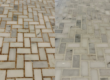
We worked with a homeowner in The Woodlands who had tried to touch up a few cracked grout lines in their kitchen. The new grout was just a shade lighter than the original. Under the kitchen’s natural light, every repair line stood out. They ended up calling us not because the grout was failing—but because it looked patchy and unprofessional.
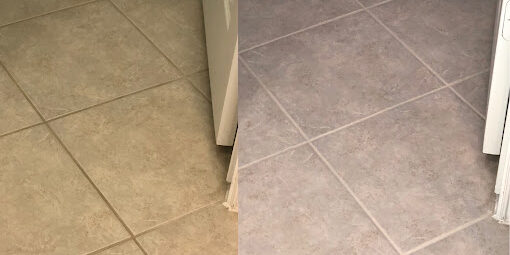
This is where Grout Color Restoration and Color Seal Application can be game changers. By applying a high-quality color seal across all grout lines, we can:
- Create a uniform, updated color across old and new grout
- Cover permanent stains that cleaning alone can’t remove
- Add stain resistance for easier maintenance
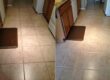
“A properly color-sealed floor often looks like it’s been completely retiled—even when the tile and grout are original.” — Houston Floor Restoration Pro
Mistake #5: Overlooking Moisture, Mold, and Structural Problems
One of the most dangerous grout repair mistakes is treating visible grout issues as purely cosmetic. Cracked or missing grout, loose tiles, and persistent discoloration can be signs of deeper problems—especially in wet areas.
In Houston’s humid environment, small grout cracks can allow moisture to:
- Penetrate behind the tile
- Saturate backer boards or drywall
- Feed hidden mold and mildew growth
- Weaken the bond between tile and substrate
We were called to a townhome near the Galleria where the homeowner noticed darkening grout and a “spongy” feel near the shower curb. A handyman had previously applied a quick Tile Regrouting patch, but the symptoms returned. Once we opened the area, we found rotted wood, mold, and a failed waterproofing membrane.
The repair required:
- Full removal of the affected tile and substrate
- Proper waterproofing services
- New tile installation
- Fresh grout and caulk with appropriate sealers
If the underlying moisture issue had been identified earlier, a targeted Shower Regrouting and Waterproofing Services could have prevented thousands of dollars in damage.
“If your grout is constantly dark, damp, or smells musty, you don’t have a cleaning problem—you have a moisture problem.”
Professional inspection can also identify loose tile, hollow-sounding areas, or structural movement that simple Loose Tile Repair can address before things escalate to full Bathroom Tile Restoration.
Mistake #6: Skipping Sealing and Long-Term Protection
After investing time and money into grout repair, many property owners stop one step short of long-term protection: sealing. In Houston, with its mix of humidity, tracked-in dirt, and hard water, failing to seal grout and stone is an invitation to repeat the same repairs every few years.
Common oversights include:
- Not sealing new grout at all
- Using the wrong type of sealer (e.g., topical instead of penetrating)
- Failing to reseal on a recommended schedule
- Forgetting that natural stone needs its own specialized care
We often see beautifully restored showers and floors that were never sealed. Within a year or two, the grout has absorbed stains, body oils, and cleaning chemicals, making it much harder to maintain. A homeowner in Cypress had a new marble shower installed but skipped professional sealing to cut costs. Within months, the stone showed etching, and the grout was absorbing color from soaps and shampoos.
A proper Penetrating Sealer Application or Tile and Grout Color Sealing can:
- Block stains from penetrating porous grout
- Make routine cleaning faster and more effective
- Help resist Mold and Mildew Removal issues
- Extend the life of both grout and tile
For natural stone such as travertine, marble, slate, and limestone, specialized Natural Stone Sealing and Natural Stone Restoration are crucial. Services like Travertine Cleaning, Marble Polishing, and Slate Cleaning prepare the surface, while sealing protects it from Houston’s everyday wear.
“Sealing is the difference between grout that looks good for six months and grout that looks good for six years.”
What This Means for Businesses in Houston, TX
For Houston homeowners, property managers, and business owners, grout issues aren’t just cosmetic. They affect safety, hygiene, and long-term property value.
In commercial settings—restaurants, medical offices, gyms, apartment complexes—poorly maintained grout and tile can:
- Create slip hazards, especially where water and soap accumulate
- Harbor bacteria and mold in porous, unsealed grout
- Leave a negative impression on customers and tenants
- Lead to health code or inspection problems
A busy fitness center in West Houston learned this the hard way. Their locker room showers had visible mold in the corners, stained grout lines, and slick floors. After complaints from members, they invested in professional Shower Tile Cleaning, Grout Line Replacement, and Anti-Slip Tile Treatment. Not only did the area look dramatically better, but slip incidents dropped, and member satisfaction improved.
For multifamily properties and HOAs, proactive grout and tile maintenance can:
- Reduce the need for costly Shower Pan Cleaning and full tear-outs
- Extend the life of existing tile installations
- Minimize unit downtime between tenants
- Boost perceived value during leasing and resale
Houston’s real estate market is competitive. Small details like fresh, uniform grout, sparkling showers, and well-maintained stone surfaces can make a big difference in how a property shows—and how quickly it sells or leases.
By avoiding common grout repair mistakes and partnering with specialists who understand local conditions, you protect more than just your tile. You protect your building envelope, your indoor air quality, and your long-term maintenance budget.
Frequently Asked Questions
Q: How do I know if my grout needs repair or full replacement?
A: Light hairline cracks or small gaps can sometimes be addressed with targeted Grout Line Repair, especially if the surrounding grout is still solid and the tiles are firmly bonded. However, if grout is crumbling along large sections, if tiles sound hollow when tapped, or if you see recurring mold and dampness, it may be time for more extensive Bathroom Tile Restoration. In Houston, where moisture problems escalate quickly, a professional inspection is often the best way to avoid guessing. A trained technician can assess whether you’re dealing with surface wear or underlying structural or waterproofing issues.
Q: Can I just regrout over my existing grout to freshen the look?
A: Simply applying new grout over old, deteriorated grout is rarely a lasting solution. The new material has nothing solid to bond to, so it often flakes off or cracks within months. In some cases, a light skim coat may be appropriate, but only after thorough Grout Haze Removal, cleaning, and assessment. More often, at least a portion of the old grout needs to be removed to an adequate depth. In Houston showers and wet areas, we strongly recommend proper Shower Regrouting instead of “grout over grout,” especially if moisture has been an ongoing issue.
Q: How often should grout and tile be professionally cleaned and sealed in Houston?
A: For heavily used areas—like master showers, kitchen floors, and commercial restrooms—professional Bathroom Tile Cleaning and sealing every 12–24 months is a good rule of thumb in Houston’s climate. Lighter-use spaces may go longer, but humidity, hard water, and cleaning products all take a toll on grout and stone. Color-sealed grout can stay protected for several years with proper care, while natural stone may need more frequent Stone Tile Sealing. A quick water test—if water immediately darkens the grout or stone—can indicate that it’s time to reseal.
Q: Are DIY grout and caulk repairs safe for showers, or should I always hire a professional?
A: Small, non-wet areas like a simple kitchen backsplash crack may be manageable for an experienced DIYer. But in showers, tub surrounds, and other constantly wet zones, mistakes in Recaulking, grout choice, or waterproofing can lead to hidden leaks and mold. Houston’s humidity magnifies those risks. If you see recurring mold, loose tiles, or cracks in corners and around the shower pan, it’s wise to bring in a pro. They can evaluate whether you just need targeted Crack Repair and caulking or if there’s a deeper waterproofing issue.
Q: What’s the difference between penetrating sealer and color seal for grout?
A: Penetrating sealers soak into the grout, creating an invisible barrier that helps repel moisture and stains while keeping the grout’s original color. Color sealers, on the other hand, both seal and recolor the grout, providing a uniform, updated look plus enhanced stain resistance. In Houston homes with older, stained grout, Grout Color Sealing is often the best choice, as it can restore appearance and improve cleanability in one step. Penetrating sealers are more common on newer installations or when you want to preserve the existing grout color but still protect it.
Q: My stone floors look dull and dirty even after mopping. Is it a grout problem or a stone problem?
A: It’s often a combination of both. Porous stone like travertine, limestone, and slate can trap dirt and cleaning residues, while grout lines collect soil and discoloration. Routine mopping rarely removes embedded grime. Professional services like Porcelain Tile Cleaning, Ceramic Tile Cleaning, and Limestone Cleaning target both the tile surface and the grout. For natural stone, additional steps like Tile Polishing or Marble Polishing may be needed to restore shine, followed by sealing to slow future buildup.
Q: Can professional grout repair help with slippery shower or bathroom floors?
A: Yes, especially when combined with the right cleaning and treatment. Soap, body oils, and hard water deposits can create a slick film that basic cleaning doesn’t remove. Once the surface is deep-cleaned and the grout is restored, a professional Anti-Slip Tile Treatment can be applied to reduce slipperiness without changing the look of the tile. This is particularly valuable for Houston households with kids or older adults, as well as businesses responsible for customer safety in wet areas.
Ready to Get Started?
Grout and tile problems rarely fix themselves. In Houston’s humid, high-use environments, small cracks, stained grout, or failing caulk tend to spread—often into hidden water damage or costly shower rebuilds. Addressing issues early, and doing it the right way, can save you thousands of dollars and a lot of disruption.
If you’re noticing discolored grout, loose tiles, recurring mold, or just a tired-looking shower or floor, this is the ideal time to take action. Seasonal changes and heavy AC use in Houston put added stress on tile installations, so waiting often makes problems worse.
Grout Works Houston offers specialized services tailored to our local climate and building styles—from targeted Tile Regrouting and Grout Line Replacement to full Tub Surround Restoration and Shower Tile Sealing. We can inspect your space, explain your options clearly, and recommend a solution that fits your budget and long-term goals.
Reach out today to schedule an evaluation and see how professional grout and tile restoration can transform your bathroom, kitchen, or commercial space—without the cost and mess of full Tile Replacement.
About Grout Works Houston
Grout Works Houston is a locally owned specialist in grout, tile, and natural stone restoration serving homeowners and businesses throughout the Houston, TX area. With years of hands-on experience in our unique Gulf Coast climate, we focus on long-lasting solutions—from precision Grout Repair and Tile Cleaning to advanced Grout Color Sealing and Efflorescence Removal. Our team follows industry best practices and uses professional-grade products to protect your investment and keep your tile and stone looking their best. Learn more about our services at https://groutworkshouston.com/.